
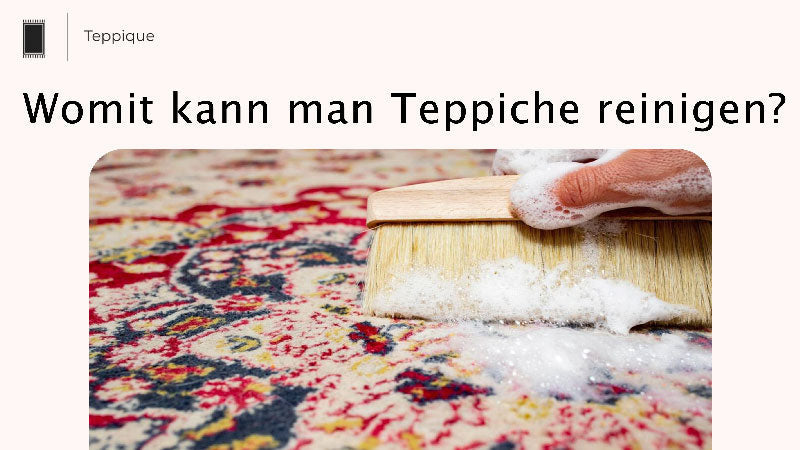
Rugs add warmth, color, and personality to any home. But anyone who owns a rug knows the problem: dust, stains, and odors accumulate in the fibers in everyday life. To keep your living space cozy and your rug looking beautiful for a long time, targeted care is worth it. In this guide, you will learn how to clean your rug yourself using proven household remedies, suitable cleaning methods, and a little know-how.
Introduction: Why proper rug cleaning is so important
A rug is more than just a home accessory: It dampens noise, keeps feet warm, and contributes to a healthy indoor climate. At the same time, dust, dirt, and unpleasant odors accumulate in its fibers. By regularly and appropriately cleaning your rug according to its material, you not only create a clean living environment but also extend its lifespan. Even simple household remedies like baking soda or vinegar water can neutralize odors and remove bacteria without the need for harsh chemicals. Regardless of what type of rug you have, the following methods will help you clean every rug according to its specific type.
Discover high-quality hand-knotted rugs


Basic care: Vacuum rugs regularly and keep them fresh
Regular basic care forms the basis of successful rug cleaning. Depending on usage (home with children, pets, or allergy sufferers), the rug should be thoroughly vacuumed once or twice a week. Long-pile rugs are best cleaned with a flat nozzle or special brush attachments. It is important to vacuum slowly and in the direction of the fibers so that dust and crumbs are effectively removed. For wall-to-wall carpeting, it is recommended to occasionally use turbo nozzles or cordless vacuum systems to lift loose fibers and remove pet hair.
kelim rug Hamburg – discover and order online now!
What can rugs be cleaned with? Overview of cleaning agents
Whether natural household remedies or professional cleaning products – depending on the material and degree of soiling, you have various effective means at your disposal for cleaning your rug.
Household remedies for cleaning rugs
Many stains and soiling can be removed with simple household remedies – often gently, affordably, and without harsh chemicals.
| Household remedy | Effect | Application and notes |
|---|---|---|
| Baking soda/baking powder | Neutralizes odors, binds moisture, has an antibacterial effect | Vacuum the rug, sprinkle baking soda generously, leave overnight, then vacuum thoroughly. Baking powder is milder and suitable for smaller stains. |
| Soda (washing soda) | Effective against stubborn dirt and grease | Dissolve one tablespoon of soda in warm water, apply with a spray bottle or cloth, leave to work briefly, blot with a damp sponge, and let dry. Do not use on wool, sisal, or silk. |
| Vinegar water | Antibacterial, descaling, neutralizes odors | Mix one part vinegar with two parts water, spray onto the rug, and blot with a cloth; then let dry thoroughly and ventilate. |
| Shaving foam | Removes fresh stains | Apply white, unscented foam to the stain, leave to work for 10–15 minutes, and blot with a damp cloth. Ideal for light-colored rugs. |
| Salt/mineral water | Absorbs liquid, facilitates stain removal | For red wine or coffee, moisten the fresh stain with mineral water, sprinkle salt on it, leave to work, and then vacuum. |
| Delicate detergent/hair shampoo | Gentle cleaning of sensitive fabrics | Dissolve a little detergent or shampoo in lukewarm water and work in carefully; then rinse with clear water so that no residue remains. |
Household products and special cleaners
Many everyday products as well as special rug cleaners can remove stubborn stains – the important thing is to choose the right agent for the material and degree of soiling.
| Product | Area of use | Application notes |
|---|---|---|
| Washing powder | Large-area soiling on sturdy rugs | Dissolve 1–2 teaspoons of powder in warm water, work in the solution with a sponge or brush, leave to work briefly, and wipe over with clear water. Remove residue thoroughly. |
| Dishwasher tabs | Stubborn stains on insensitive materials | Dissolve the tab in warm water and apply the foam locally; test on an inconspicuous spot before use, as tabs often contain bleach. |
| Rug foam/cleaner | Deep cleaning or targeted stain treatment | Apply the foam or cleaner evenly, massage in briefly, and vacuum thoroughly after drying. Choose the product suitable for the material (acidic for wool, alkaline for cotton and sisal). |
Which agent is best for cleaning rugs?
There is no universal miracle cure – the choice depends on the type of rug, the material, and the type of soiling. For light stains, water or a simple household remedy is often sufficient. For stubborn dirt, washing powder or special cleaners may be necessary. It is important to test the agent on an inconspicuous spot and, if in doubt, seek professional help.
Cleaning rugs by material and rug type
Not every rug reacts the same to cleaning methods. Therefore, always check the material first:
Wool rugs and natural fibers
Wool rugs and hand-knotted Oriental rugs are sensitive. Water that is too hot or harsh chemicals can damage the fibers. Use lukewarm water, mild cleaning agents, and always work carefully. For very valuable or antique pieces, professional cleaning is recommended.
Synthetic rugs (polyester, synthetic fiber)
Synthetic rugs are less sensitive. They tolerate washing powder, rug foam, and even steam cleaning, provided the manufacturer does not state otherwise. Grease and oil-based stains can often be removed well with soda or dishwashing liquid.
Cotton rugs and washable rugs
Many cotton rugs can be washed in the washing machine on the delicate cycle at a maximum of 30 °C. It is worth checking the care label beforehand. If the rug is too large for the machine, it can be cleaned in the bathtub with mild detergent and lukewarm water.
nomad rugs – traditional craftsmanship for your home!

Cleaning rugs over large areas: Step by step with household remedies
If your rug looks overall gray and dull, you can clean it over large areas with simple household remedies and restore its freshness and radiance in just a few steps.
Large-area cleaning with baking soda, soda, or baking powder
Baking soda, soda, and baking powder are excellent for refreshing large rug areas, binding odors, and gently loosening light soiling.
| Step | Description |
|---|---|
| 1. Preparation | Vacuum the rug thoroughly and remove loose crumbs. |
| 2. Sprinkle the powder | Depending on the soiling, distribute baking soda (for odors), baking powder (for light stains), or soda (for stubborn dirt) evenly. |
| 3. Leave to work | Leave to work for several hours, ideally overnight. |
| 4. Remove | Vacuum the powder or sweep it out with a soft brush. |
| 5. Optional moistening | For soda or baking soda, slightly moisten the powder so that it penetrates deeper into the fibers – but do not soak it. |
Cleaning rugs with vinegar water
Vinegar water is a proven household remedy that neutralizes odors and effectively removes many stains without damaging the rug fibers.
| Step | Description |
|---|---|
| 1. Prepare the mixture | Mix one part vinegar with two parts water. |
| 2. Spray | Fill the solution into a spray bottle and mist the rug evenly. |
| 3. Blot | Carefully blot with a clean cloth or sponge, do not rub. |
| 4. Let dry | Ventilate well after treatment; the vinegar smell dissipates quickly and leaves fresh room air. |
Cleaning rugs with washing powder and dishwasher tabs
| Step | Description |
|---|---|
| 1. Washing powder solution | Dissolve 1–2 teaspoons of washing powder in warm water. |
| 2. Apply | Apply the solution with a sponge or brush, leave to work briefly, and then wipe over with clear water. |
| 3. Remove residue | Carefully remove powder residue so that the rug does not become sticky. |
| 4. Dishwasher tabs | Dissolve the tab in water and apply the foam locally to stubborn stains; test on an inconspicuous spot beforehand. |
vintage rugs Hamburg – unique designs with history!
Targeted stain removal from rugs
With the right techniques and suitable household remedies, you can treat even stubborn soiling yourself and gently get your rug clean again.
Basic rules for stains: Blot instead of rubbing
The most important rule for any stain treatment: always blot carefully instead of rubbing, so that the dirt does not work deeper into the rug fibers.
| Rule | Explanation |
|---|---|
| Act quickly | Fresh stains are easier to remove. |
| Blot instead of rubbing | Rubbing causes the stain to penetrate deeper into the fibers; therefore, it is better to blot gently. |
| From the outside in | This prevents the stain from spreading. |
| No hot water | Protein-based stains such as blood or milk can coagulate and set due to heat. |
| Test on an inconspicuous spot | Before using an agent, it should be tested on an inconspicuous spot to avoid discoloration. |
Typical stains and suitable agents
Typical stains can usually be removed with simple household remedies – the important thing is to choose the right agent for each type of stain correctly.
| Stain | Recommended agent | Note |
|---|---|---|
| Red wine | Mineral water and salt or baking soda | Moisten the fresh stain with mineral water, sprinkle salt or baking soda on it, leave to work, then vacuum. |
| Coffee/tea | Baking powder or baking soda | Work the powder in slightly damp, let dry, and then vacuum. |
| Grease/oil | Dishwashing liquid or gall soap | Dissolve the agent in water, apply, blot with clear water, and dry rub. |
| Pet urine | Vinegar water | Neutralizes odors and kills bacteria; ventilate well after treatment. |
| Chocolate | Shaving foam or dishwashing liquid | First let it harden, carefully scrape off, and then treat with shaving foam or dishwashing liquid. |

Cleaning rugs with a steam cleaner and wet-dry vacuum
With a steam cleaner or wet-dry vacuum, you achieve a particularly deep cleaning, as dirt and residue are directly loosened from the rug fibers and vacuumed up.
| Method | Advantages | Disadvantages |
|---|---|---|
| Steam cleaner | No chemicals needed; kills bacteria and mites; ideal for allergy sufferers and heavily used rugs. | Not suitable for sensitive materials such as wool, silk, or Oriental rugs. |
| Wet-dry vacuum | Sprays water and cleaning agent and vacuums up dirt; also suitable for upholstered furniture and car seats. | Requires thorough drying and is less suitable for sensitive fibers. |
When should you hire a professional for rug cleaning?
Despite careful care, there are situations in which professional cleaning makes sense. Especially sensitive, large, or very valuable rugs (for example silk, Oriental, or antique pieces) belong in expert hands. Also with deeply set dirt, mold stains, or after water damage, professional companies achieve better results. They use special machines and know the right cleaning agents for every material. The costs depend on size and effort and are usually in the single-digit Euro range per square meter.
Step-by-step guide: Cleaning rugs yourself
A systematic approach helps you to clean your rug thoroughly, gently on the material, and without unnecessary use of chemicals – simply follow the following step-by-step table.
| Step | Description |
|---|---|
| 1. Vacuum the rug | Remove dust, crumbs, and pet hair so that the cleaning agent works better. |
| 2. Choose a method | Depending on the material and soiling, choose between household remedies, washing powder, or special cleaners. |
| 3. Test the agent | Try the cleaning agent on an inconspicuous spot to avoid discoloration. |
| 4. Treat | Blot stains targeted; for large-area cleaning, apply powder or solution according to instructions. |
| 5. Leave to work | Give the chosen agent enough time to work. |
| 6. Remove and rinse | Vacuum powder residue or remove liquids with clear water to avoid residue. |
| 7. Let dry | Let the rug dry completely – ideally for 24 hours, well ventilated and without furniture load – so that no odors arise and the fibers retain their shape. |
| 8. Lift the fibers | If necessary, shape the fibers with a soft brush or carefully work them with the vacuum cleaner brush attachment. |
Conclusion
A clean carpet ensures a healthy indoor climate and a well-maintained home. With the right basic care, the appropriate cleaning agent, and a little patience, most stains can be removed gently and effectively. Always make sure to consider the material, test the cleaning agent in an inconspicuous area, and allow the carpet to dry thoroughly afterwards.
If you follow the tips presented in this guide, your carpet will remain beautiful, pleasant, and hygienic for a long time. For valuable or particularly delicate pieces, regular professional cleaning is also worth it – this way you preserve the quality of your favorite piece for many years.
buy Persian rugs in Hamburg – discover our selection of high-quality rugs now!
Teppique
FAQ
What is the best way to clean a carpet yourself?
Regular basic care and the use of suitable household remedies are sufficient in most cases. Baking soda, vinegar water, or laundry powder are proven helpers. It is important to consider the material and test the cleaning agent beforehand.
What is the best thing to clean carpets with?
The optimal agent depends on the carpet material and the type of stain. Mild household remedies such as vinegar water or baking soda are suitable for natural fibers. Synthetic carpets can also withstand stronger cleaners such as laundry powder or carpet foam.
Can you clean a carpet with laundry powder?
Yes – sturdy carpets can be cleaned well with a laundry powder solution. To do this, dissolve 1–2 teaspoons of powder in warm water, spread the solution with a sponge or brush, and then rinse with clean water. Make sure to remove all residue so that the carpet does not become sticky.
Which agent is the best for cleaning carpets?
There is no one-size-fits-all answer. Baking soda neutralizes odors, vinegar water has an antibacterial effect, soda tackles stubborn stains, and laundry powder is suitable for large-area cleaning. Choose the agent that suits your carpet material and the type of stain.
Leave a comment